

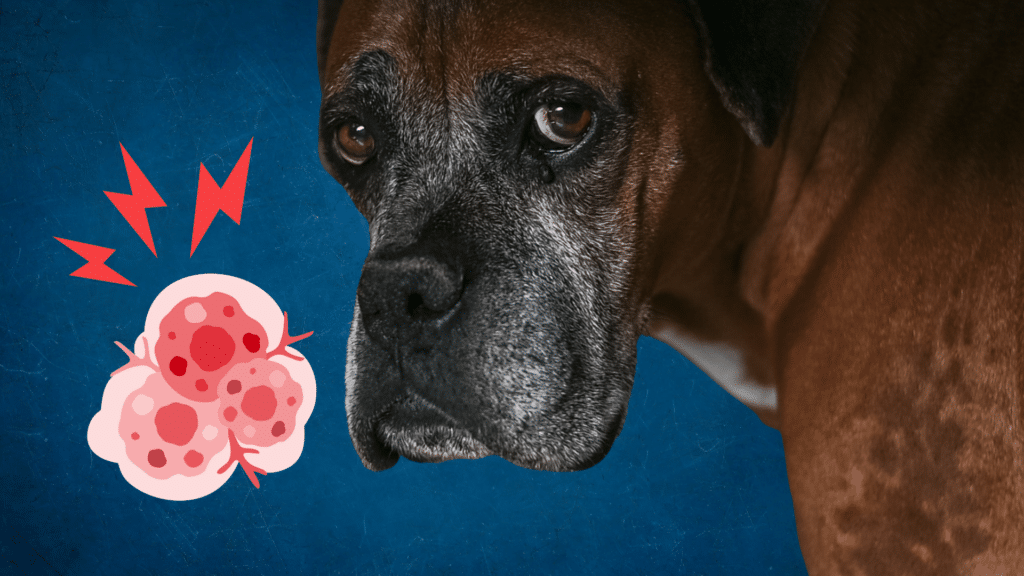
You know your dog’s favorite sleeping spot, their dinner routine, and just where they like to be scratched. Finding an unfamiliar lump during one of those everyday moments can leave you wondering about cancer in dogs. Before your mind races ahead, remember that a bump needs a diagnosis, and many growths have causes other than cancer.
When you discover a change in your dog’s body in Lake Charles, Country Club Veterinary Clinic encourages you to arrange a visit rather than try to identify it at home.
A Growth Is Not Automatically Cancer
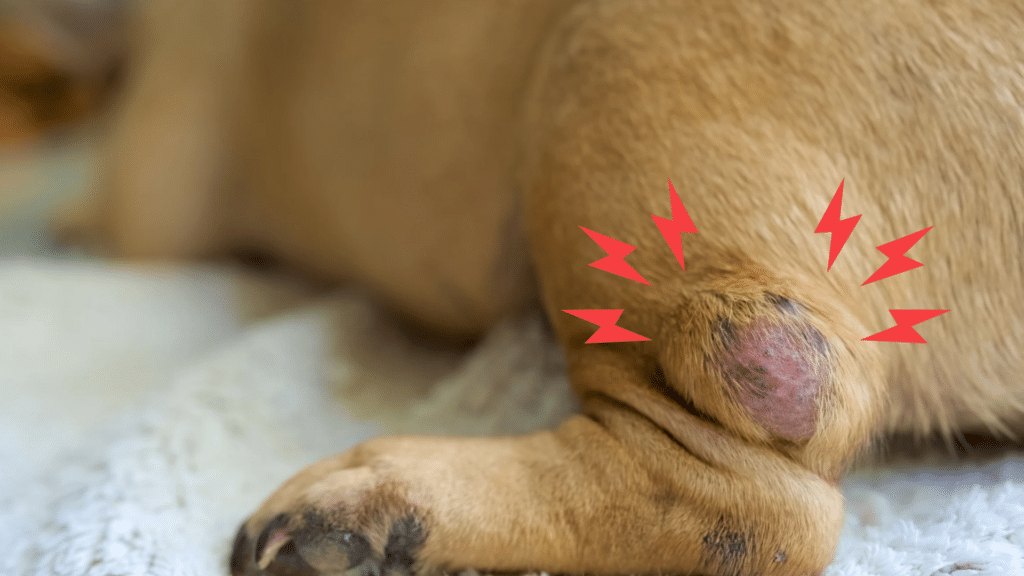
Lumps may develop from fatty tissue, cysts, inflammation, infections, or cancerous cells. Some are benign, meaning they do not invade surrounding tissues or spread to distant areas, although they can still become uncomfortable.
Neither age nor breed determines what a particular bump will turn out to be, and younger dogs can develop cancer too. However, the risk of cancer in dogs rises with age, and some breeds are predisposed to specific types of the disease.
Cancer Symptoms Can Extend Beyond the Skin
Tell your veterinarian about any new lump, particularly one that grows, changes texture, bleeds, or seems painful. Other possible signs of cancer in dogs include unexplained weight loss, stiffness, unusual bleeding from body openings, sores that do not heal, difficulty breathing, and changes in appetite or energy. These symptoms can signal other health problems, so they cannot confirm cancer by themselves.
A dog who still wants to play may nevertheless need a lump examined, while a dog without a visible bump may need care for ongoing symptoms.
Let Cancer Testing for Dogs Guide What’s Next
When calling Country Club Veterinary Clinic about a mass, describe where it is, how long you have noticed it, and whether your dog has been licking or bothering it. During the visit, your veterinarian will review your observations and examine your dog, including the area around the growth.
Depending on the examination, our veterinarians may recommend a biopsy or other diagnostics. Those findings will guide decisions about monitoring, additional testing, removal, or referral, rather than guessing based on how the lump feels.
Use Familiar Routines to Notice Changes in Your Pet
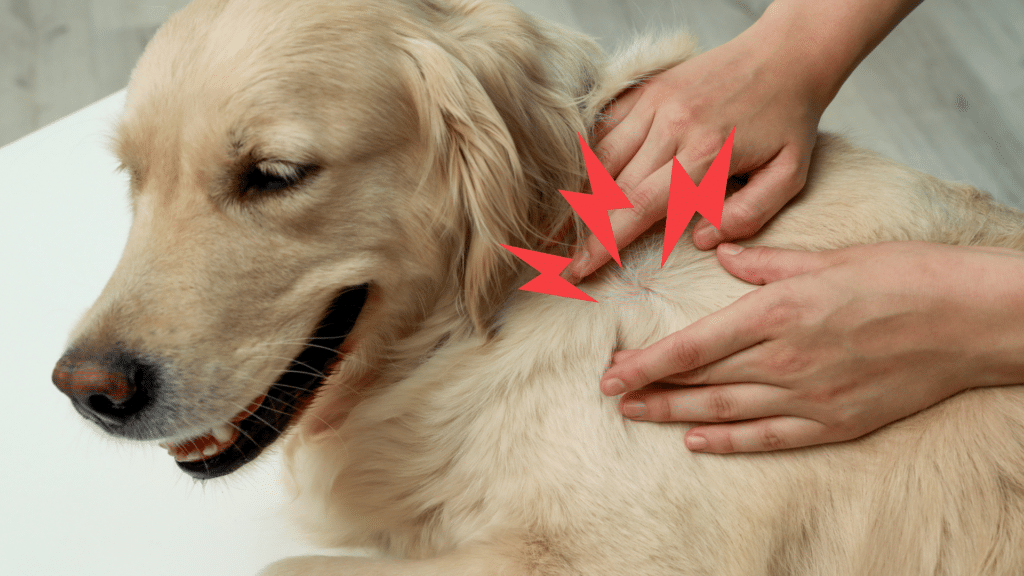
A few gentle checks will make you more familiar with your dog’s normal skin and body shape. Move your hands over their head, neck, chest, sides, belly, and legs, noting new bumps without squeezing them. Lift your pet’s lips to look for unusual growths, sores, or bleeding in the mouth.
Make sure to do this lump check regularly. Keep notes or photographs of changes and schedule an appointment if your pet has a mass or other concerning symptoms.
Not Every Cancer Produces an Obvious Lump
Some forms of cancer in dogs affect internal organs or blood cells without creating a growth you can see beneath the coat. Persistent changes in appetite, weight, activity, or behavior deserve an evaluation even when you find no bumps. Avoid assuming that a normal skin check means everything else is fine. Your description of changes at home can guide the veterinary examination.
Have Your Dog’s Lump Checked in Lake Charles, LA
Country Club Veterinary Clinic provides veterinary care for dog owners from Lake Charles, Sulphur, Westlake, and nearby communities. For a new lump or another concerning change, schedule an appointment so we can assess your dog and discuss your concerns. If cancer is diagnosed, our team explains the findings and discusses options. Getting answers gives you a clearer way to make decisions about your dog’s care.
