

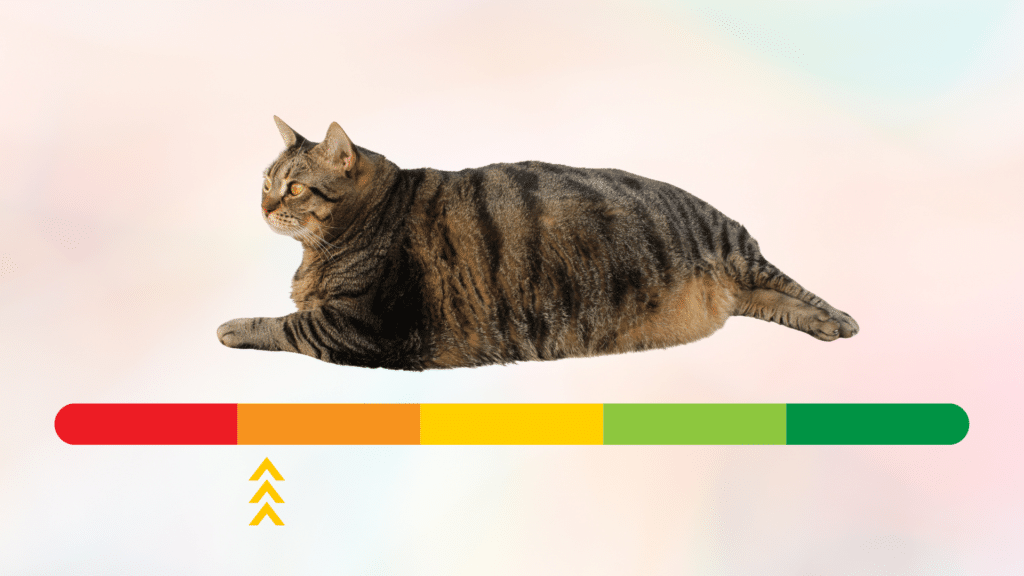
Your cat may seem a little rounder than usual, feel heavier when you pick them up, or show less interest in jumping onto favorite surfaces. If you have noticed changes like these, you may be wondering whether you have an overweight cat and what to do next.
Country Club Veterinary Clinic wants to assure cat owners in Lake Charles that recognizing gradual weight gain is not always easy. Looking at your cat’s overall body condition, eating habits, and activity level provides useful information, while a veterinary examination offers a more individualized assessment.
Being Overweight Matters for Cats
An overweight cat may face health concerns beyond carrying a few extra pounds. Excess body fat is associated with conditions like diabetes and heart disease and may put additional stress on the joints, making normal movement more difficult. Heavier cats often become less active or struggle to groom certain areas of their bodies. Maintaining an appropriate body condition supports mobility, comfort, and overall quality of life.
What Causes Cats to Gain Weight?
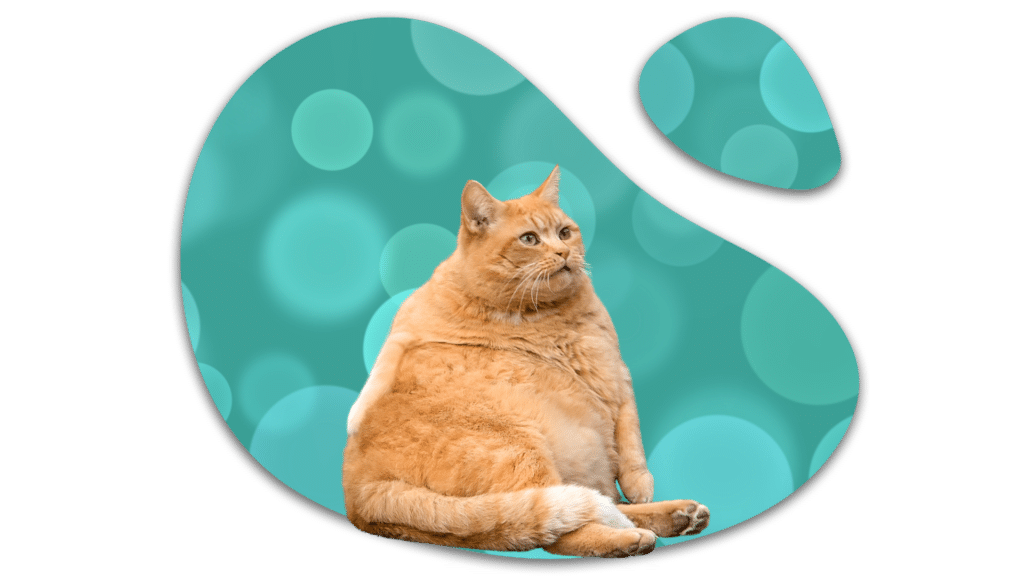
Consuming more calories than the body uses is the most cited reason for feline weight gain. Oversized portions, frequent treats, calorie-dense foods, and unrestricted access to food may all contribute, particularly when a cat has a relatively inactive lifestyle. Age and changes in daily routines may influence nutritional needs as well. Medical conditions sometimes contribute to unexpected weight changes, which is why an overweight cat deserves an individualized veterinary assessment rather than an automatic reduction in food.
How to Tell if Your Cat Is Overweight
A number on the scale does not tell the entire story about your cat’s body condition. In general, you should be able to feel the ribs without pressing through a thick layer of fat, and some waist definition should be visible when looking at your cat from above. A rounded body shape or disappearing waistline may indicate excess body fat. You may review this cat body condition scoring chart as a visual reference before discussing your observations with your veterinarian.
When Should You Visit Your Cat’s Veterinarian?
If your cat begins gaining weight unexpectedly or is gaining despite reasonable portions, schedule a veterinary examination. Your veterinarian may assess body condition, review meals and treats, discuss activity, and consider whether an underlying medical concern requires further evaluation. This information provides a sound starting point for creating a feeding and activity plan suited to your individual pet. Follow-up visits give your veterinary team an opportunity to monitor progress and make appropriate adjustments.

Three Quick Tips for Managing Your Cat’s Weight
- Measure meals consistently instead of estimating portions, and remember that treats contribute to your cat’s total daily calorie intake.
- Avoid drastic diets or significant calorie restrictions based solely on advice found online. Speak with your veterinarian before making major dietary changes.
- Encourage regular activity with interactive toys, climbing opportunities, food puzzles, and short play sessions appropriate for your cat’s age and physical condition.
Weight Care for Cats in Lake Charles, LA and Nearby Communities
Country Club Veterinary Clinic is a full-service veterinary hospital, serving cat owners from Lake Charles, Sulphur, Westlake, and Carlyss areas. If you are concerned about your cat’s changes in appetite or unexplained weight gain, schedule an appointment to have your pet evaluated.


